
In the competitive world of 2026, Mexican rose growers in regions like Villa Guerrero and Tenancingo are facing a “perfect storm”: rising labor costs, extreme climate unpredictability, and strict international standards for export.
As a specialist in digital growing, I see a high-precision sensor suite: monitoring Temperature, Humidity, CO2, Soil Moisture/Temp, pH, EC, and Air Pressure. not just as gadgets, but as a comprehensive risk management system.
The Strategic Advantage: Solving Core Cultivation Challenges
The real value of a sensor array lies in its ability to make the invisible visible. Below is how high-precision monitoring resolves the most pressing “pain points” in the greenhouse today.
| Pain Point | Sensor Solution | Direct Benefit to the Farmer |
|---|---|---|
| Disease (Botrytis/Mildew) | Humidity & Leaf Temp (Pressure) | Predicts the Dew Point. You can vent or heat before condensation forms, cutting fungicide costs by up to 30%. |
| Bent Neck / Weak Stems | CO2 & Light Intensity | Roses are carbon-hungry. Maintaining CO2 at 800–1000 ppm (especially in closed winter greenhouses) increases stem thickness and flower size. |
| Nutrient Burn / Lockout | pH & EC (Electrical Conductivity) | High EC stunts growth; wrong pH locks out nutrients. Real-time monitoring prevents “blind” fertilizing, saving expensive fertilizers. |
| Water Stress & Salinity | Soil Moisture & Temp | Stop guessing. You only water when the root zone actually needs it, preventing root rot and saving water during Mexico’s frequent droughts. |
Fungal Defense: Stopping Botrytis & Mildew
The Threat:
Fungus thrives when the air becomes saturated. When your greenhouse temperature drops, moisture settles on petals as dew. This microscopic water is the “engine” that allows spores to germinate and rot the rose from the inside out.
The Damage:
One night of high humidity can ruin an entire “flush.” Botrytis causes gray rot and “spotted” petals, while Mildew stunts leaves. Both lead to immediate rejection by international exporters.
The Sensor Solution:
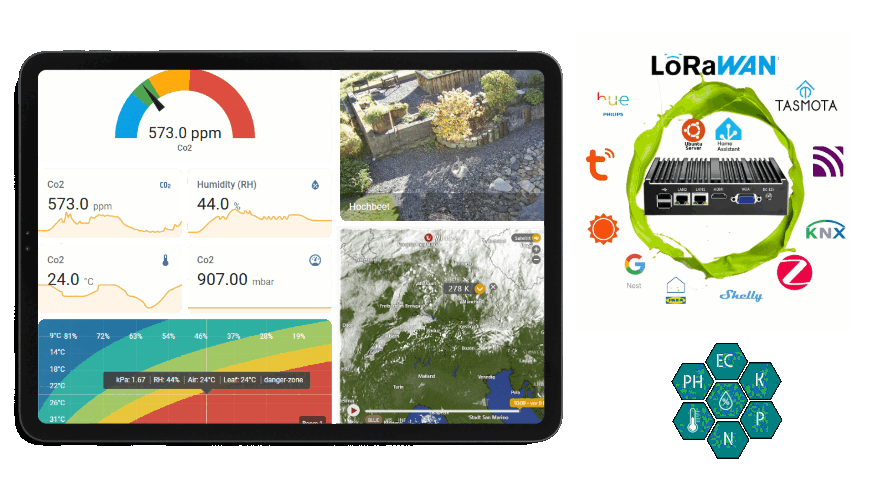
By tracking Humidity, Temperature, and Air Pressure, your sensors calculate the Dew Point in real-time.
- Early Warning: You get an alert before condensation forms.
- Precision Action: You only vent or heat when the risk is real, keeping the leaf surface dry without wasting energy.
- Lower Costs: Prevention through climate control reduces the need for expensive chemical fungicide sprays.

Eliminating the “Bent Neck” & Short Vase Life
The most frustrating loss for any grower is a rose that looks perfect in the greenhouse but fails at the florist. Issues like bent necks or premature petal drop are rarely accidents; they are the result of invisible stress during the growth cycle.
The Problem: Micro-fluctuations in CO2 and humidity that go unnoticed during the day.
The Sensor Solution: Continuous monitoring of Co2, pH and Electrical Conductivity (EC) ensures your roses never experience “nutrient thirst.” By maintaining a stable climate, you produce stems with the cellular strength required for long-distance export.

Understanding the Altitude Factor: The Role of Air Pressure
High-altitude rose production as well as Closed Environment cultivation presents unique challenges for transpiration. By monitoring Air Pressure alongside temperature and humidity, you can accurately calculate the Vapor Pressure Deficit (VPD).
In the thin air of the Mexican highlands, roses can lose moisture faster than they can pull it from the roots. If your VPD isn’t optimized, you see “soft” stems that won’t survive the flight to Europe or the US. Sensors allow you to adjust your environment to keep the plants in the “Goldilocks Zone” of productivity.

The Root Zone “Black Box”: EC and pH
Without data, your substrate is a mystery. In many Mexican regions, water alkalinity can fluctuate seasonally.
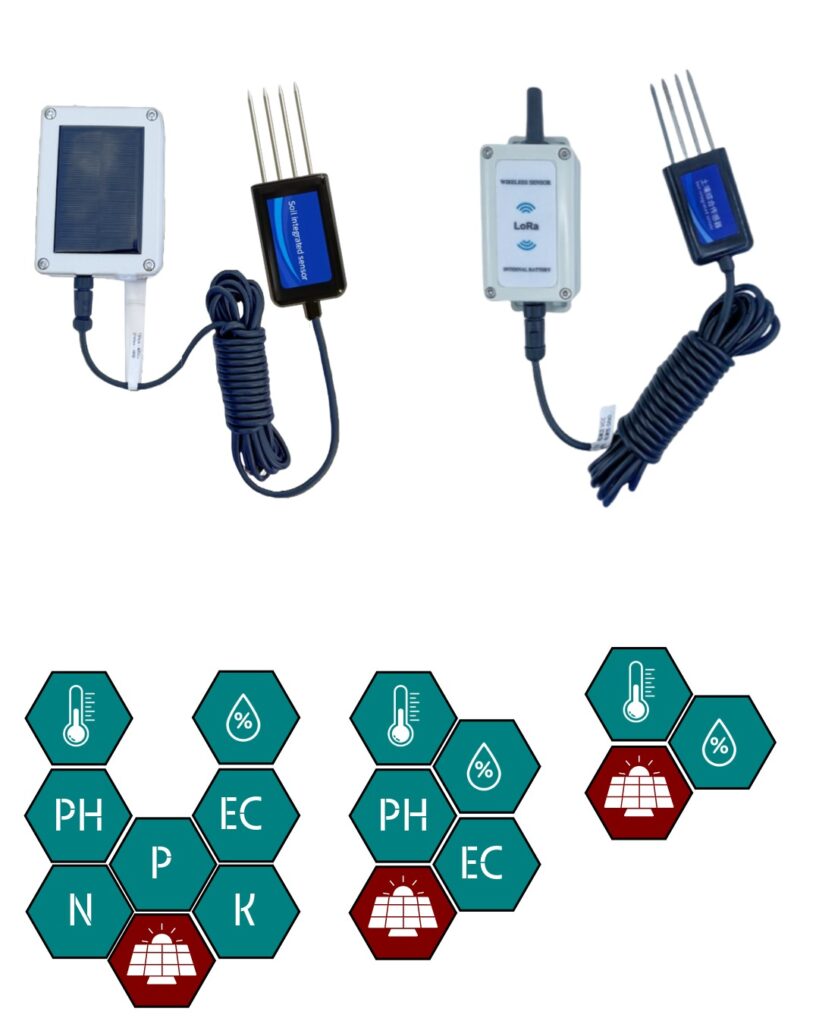
- EC (Electrical Conductivity): This tells you the salt concentration. If it’s too high, your roses suffer from “osmotic stress”—they can’t drink water even if the soil is wet.
- pH Level: If your pH drifts, the rose can no longer absorb iron or phosphorus. You could be pouring expensive fertilizer into the soil, but the plant remains starved.
Data-Driven Scalability & Traceability
The “intuition” of a master grower is an incredible asset, but it is hard to scale across large operations. Digital monitoring creates a standard operating procedure that any team can follow.
Furthermore, modern buyers at major supermarket chains now demand proof of sustainable practices. Having a digital record of your water-use efficiency and nutrient management serves as a “Sustainability Certificate,” giving you a massive competitive edge in the global export market.
The Bottom Line: By moving from “guessing” to “knowing,” you protect your investment and guarantee the quality that the global market demands. Your expertise built the farm; this data will help you lead the industry.